Your racket feels heavy. Which lighter one keeps your control?
A lower number on the spec sheet is a reason to try a racket, not proof that it will feel easier. Compare the whole published range, the balance and your own setup before you spend.
Updated 2 October 2026. Rebuilt from the index every time a spec or a price changes.
Does a lighter racket mean an easier swing?
Not by itself. Mass is how much the racket weighs. How it feels to swing also depends on where that mass sits: a head-heavy racket can feel heavier than a lighter number suggests. Most makers publish a balance label, few publish a balance point in millimetres, and almost none publish swingweight. The weights here are published racket specifications. Racket Lab’s personal estimate is a separate, unvalidated heuristic; it is not a measurement of swingweight.
So read the list below as rackets that are lighter on paper and lean towards control in our rating, not as rackets that are proven to feel lighter in your hand.
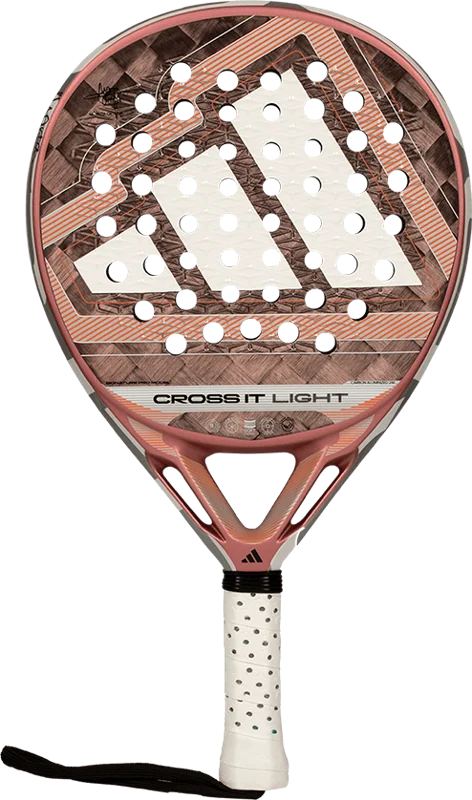
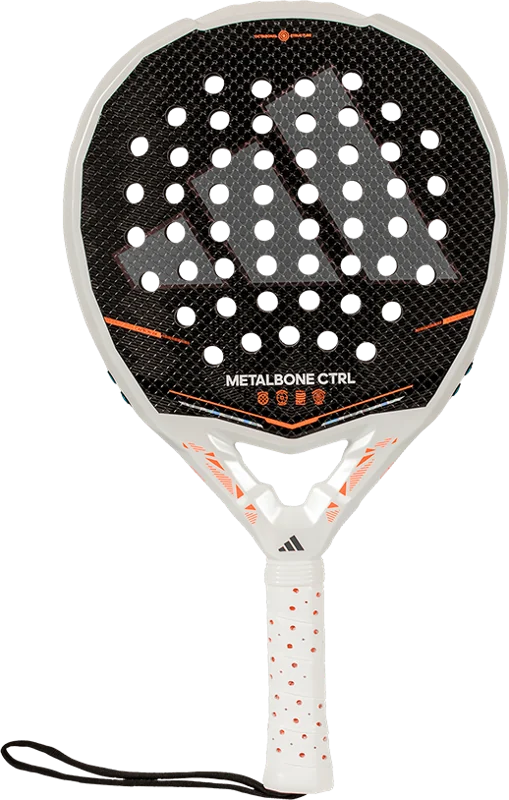
Six lighter rackets that lean towards control
The bar shows each published weight range on the same scale. A single published figure is drawn as a line: it is a nominal weight, not a guaranteed weight for the unit you receive. The control rating comes from published specifications through the formula on the methodology page; it is not a play test.
How this list is chosen. Rackets whose published weight range ends at 360 g or less; where the source states one nominal figure and no range, that figure is used, and it is not a guaranteed upper bound. Of those, the list keeps rackets with a control rating of at least 70 and at least 4 of 5 rating inputs published. Ranges the maker labels for beginners only are left out, because the beginner guide answers that question, and so is any model whose name or maker level marks it as a junior or children’s racket. Sorted by the upper bound, then the lower bound, then the name. The first six are shown. Nothing is hand-picked, and the rule is applied to every racket in the index on each build.
Two bands help you read the list: ranges that end at 350 g or less, and ranges that end between 351 and 360 g. They are reading aids, not fitness thresholds. A list with a lower upper bound is not safer or better for every player.
Compare with the racket you own, set up the way you play
Write down the exact model and year of your current racket and weigh it as you play with it: overgrips, protector tape and any removable weights included. Then ask the shop to weigh the actual racket it will send, and to say what is fitted. For example, the published weight of the Metalbone CTRL 2026 reads "345-360 +(0-11,2) Gr": up to 11.2 g on top of the range. Specification. Our ready-to-play weight explanation shows how a racket ends up heavier than its spec sheet.
Return depth: can you still push a defensive return past the net players with your normal swing?
Recovery after volleys: is the racket ready for the next ball sooner, or do you lose the block you liked?
The one shot you want to improve: compare it with both rackets, with the same balls and comparable feeds.
Note what improved and what got worse on the demo worksheet. If the lighter racket only wins on the shot you already played well, keeping your racket is a valid result.
What this list does not tell you
A lighter racket is not a treatment for elbow or arm pain, and we do not claim it prevents injury. The comfort guide ranks rackets by a separate comfort rating with the same caution. A low weight does not make a racket suitable for a beginner either; the beginner guide covers that question. The minimum of a published range is not a weight you can order. The list shows only rackets in our index, so a missing model is not a verdict on it.
There is no official cut-off. This guide uses a published upper bound of 360 g or less as its rule and splits the list at 350 g as a reading aid. Check the full range and your own setup, not only the lower number.
Will a lighter padel racket help my tennis elbow?
We cannot say that. No study we found changed players to lighter rackets and followed what happened to their arms. If your arm hurts, see a physiotherapist, and treat a racket change as something to try, not a cure.
Does a lighter racket give less power?
Not necessarily. Balance, swing speed and the racket build all matter. Compare your usual attacking shot with both rackets in a demo before deciding.
How this site makes money, and how it does not. PadelTrue may earn a commission when you buy through a retailer link on this site. A commission never changes a rating. Every rating comes from the manufacturer's published specification through the formula printed on the methodology page, and every specification links to where it was published. Found a wrong figure? Send the source and it gets corrected.