Choosing a padel racket, made simple
Find the padel racket that fits how you play.
Tell us how you play and what you want to spend. We show the rackets that fit and explain why, in plain words.
Independent. No paid placement. Every number links to where it was published.
Most searched right now
All 369 rackets →Start here
Browse all guides →The rackets players ask about most
Read the guides →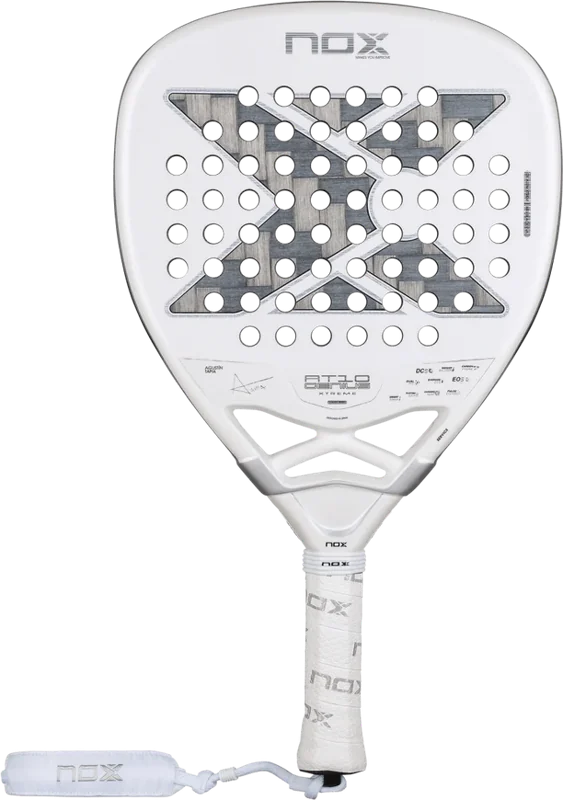
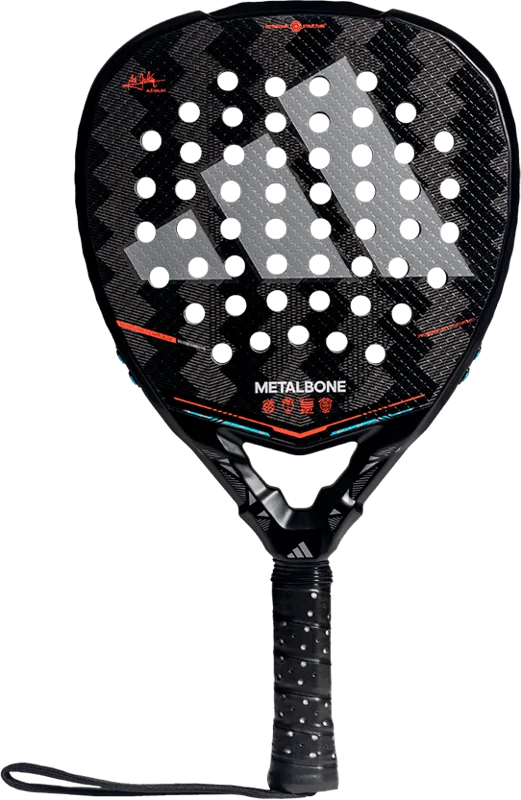
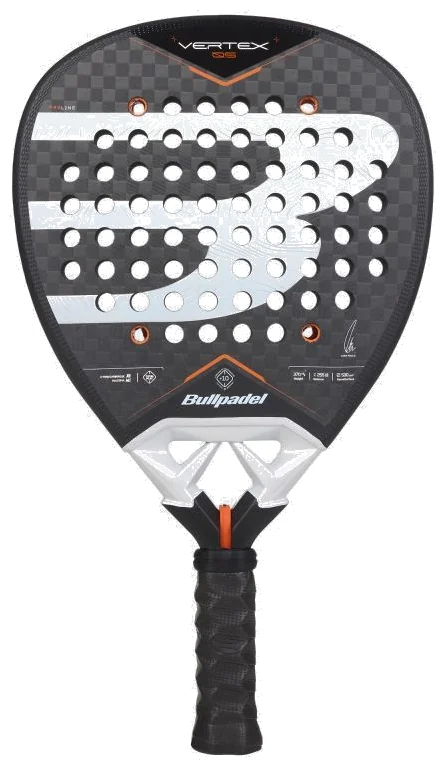
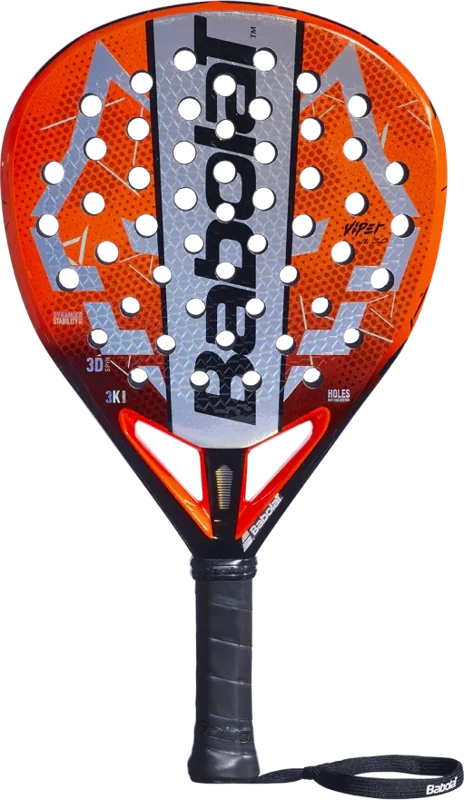
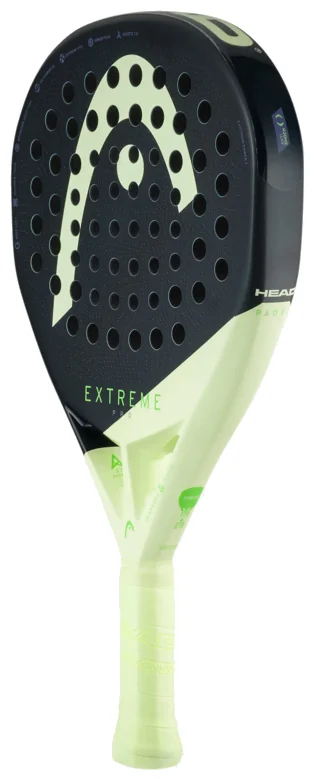
Counted, not chosen: 389 community threads from the last 30 days, and how many of them name each model line. Nox AT10 Luxury Genius Attack 12K Alum Xtreme line 45, Adidas Metalbone line 33, Bullpadel Vertex 05 line 25, Babolat Viper Juan Lebrón 3.0 line 23, Head Extreme Pro line 16. One racket is shown per line, the newest version. Being asked about is not a rating.
New models
NOX 2027 lineup vs 2026 →Best value right now
Browse all 369 rackets →How this is decided. Value is the average of a racket's two highest ratings, divided by its price. The best in the index is set to 100. So a low price lifts a racket here, and a racket that costs four times more needs ratings four times higher to match it. See the formula.
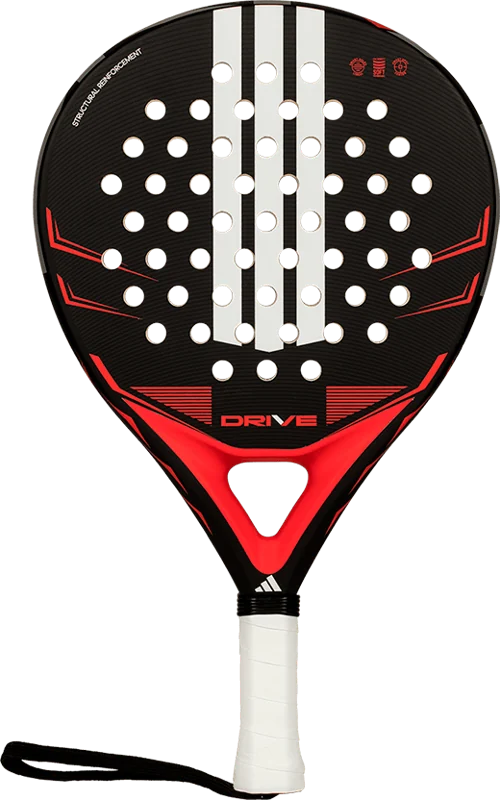
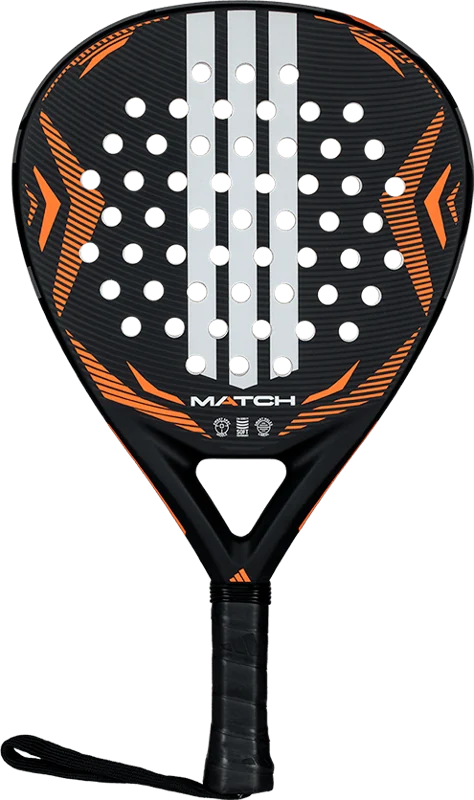
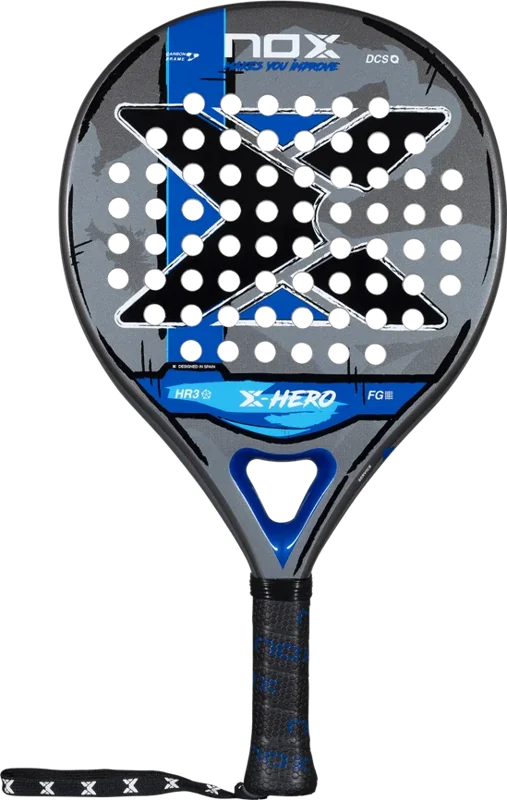
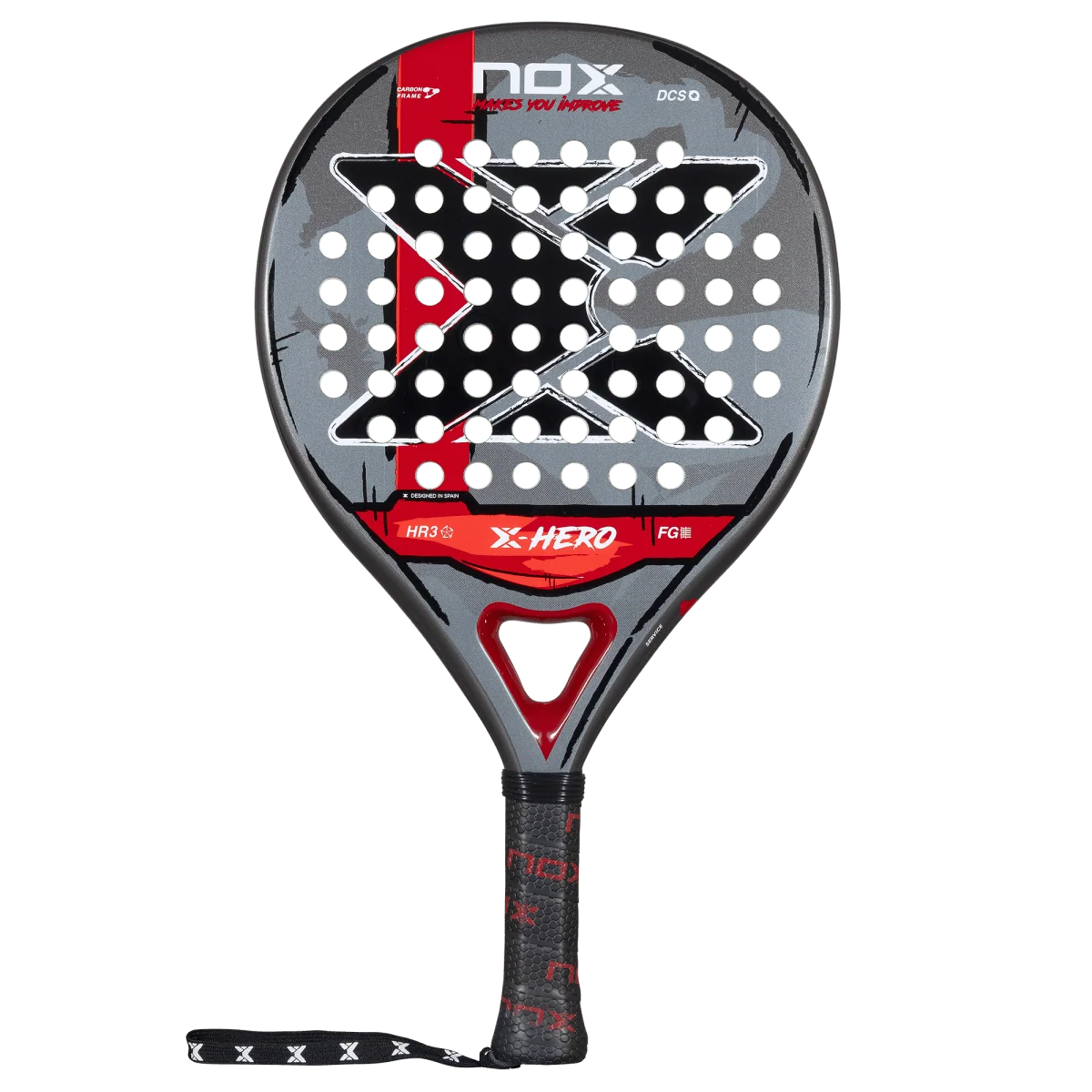
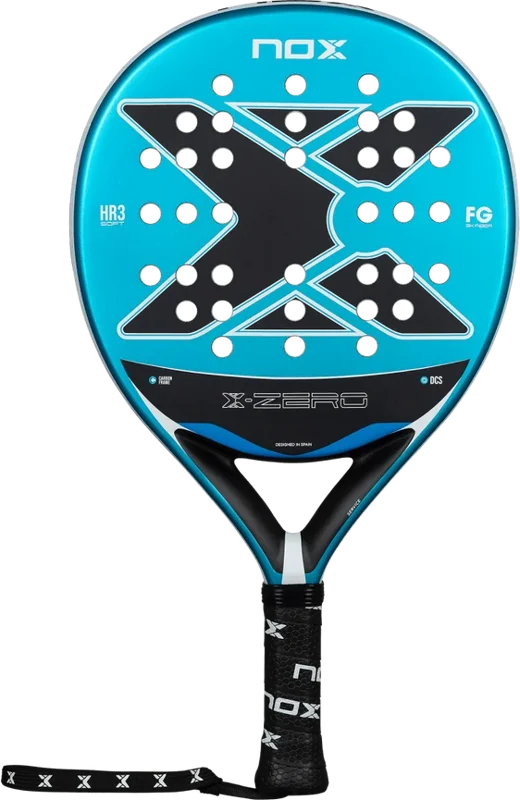
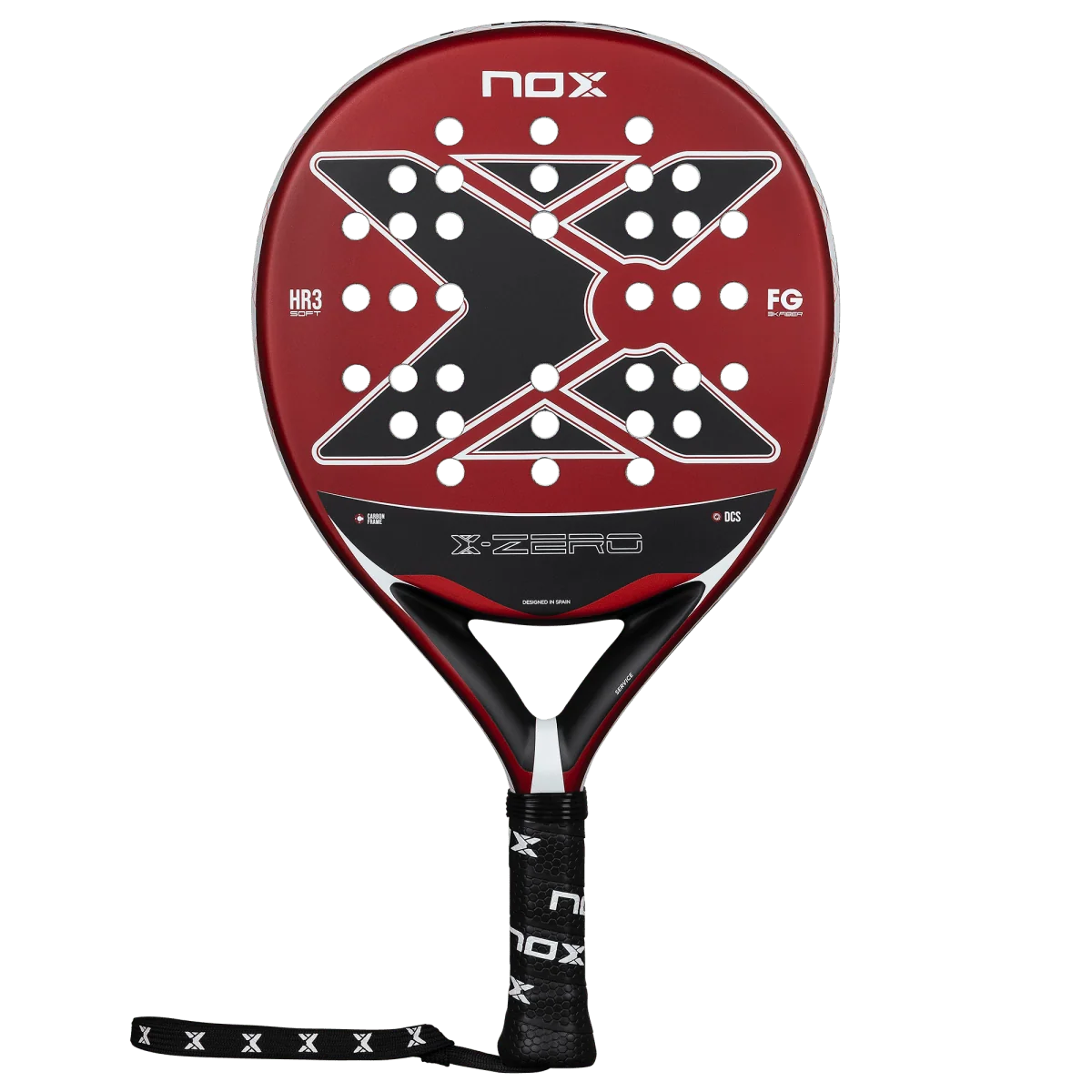
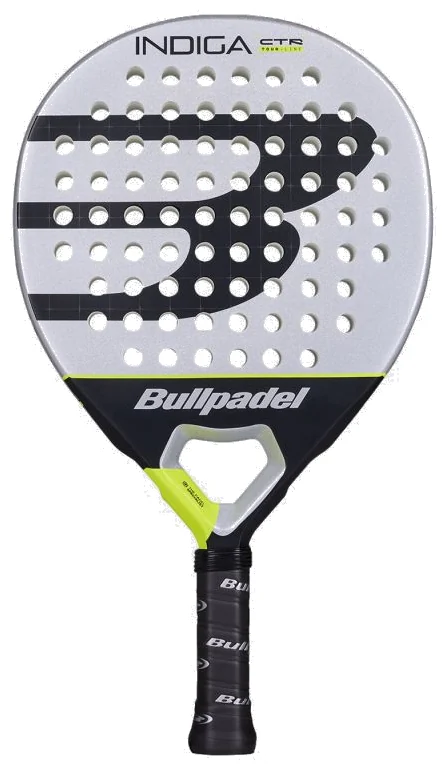
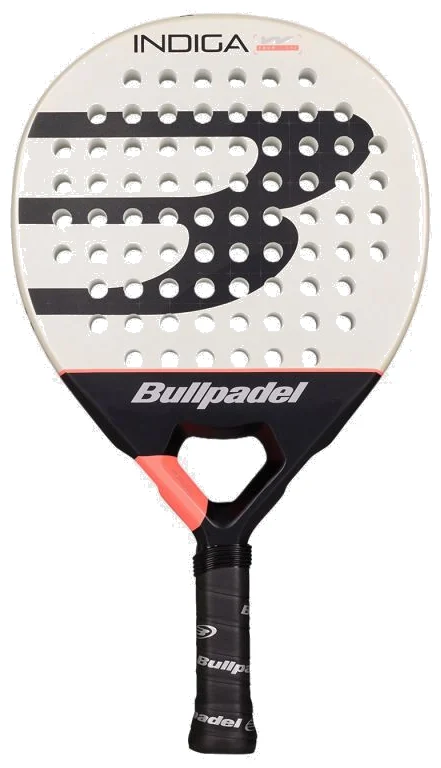
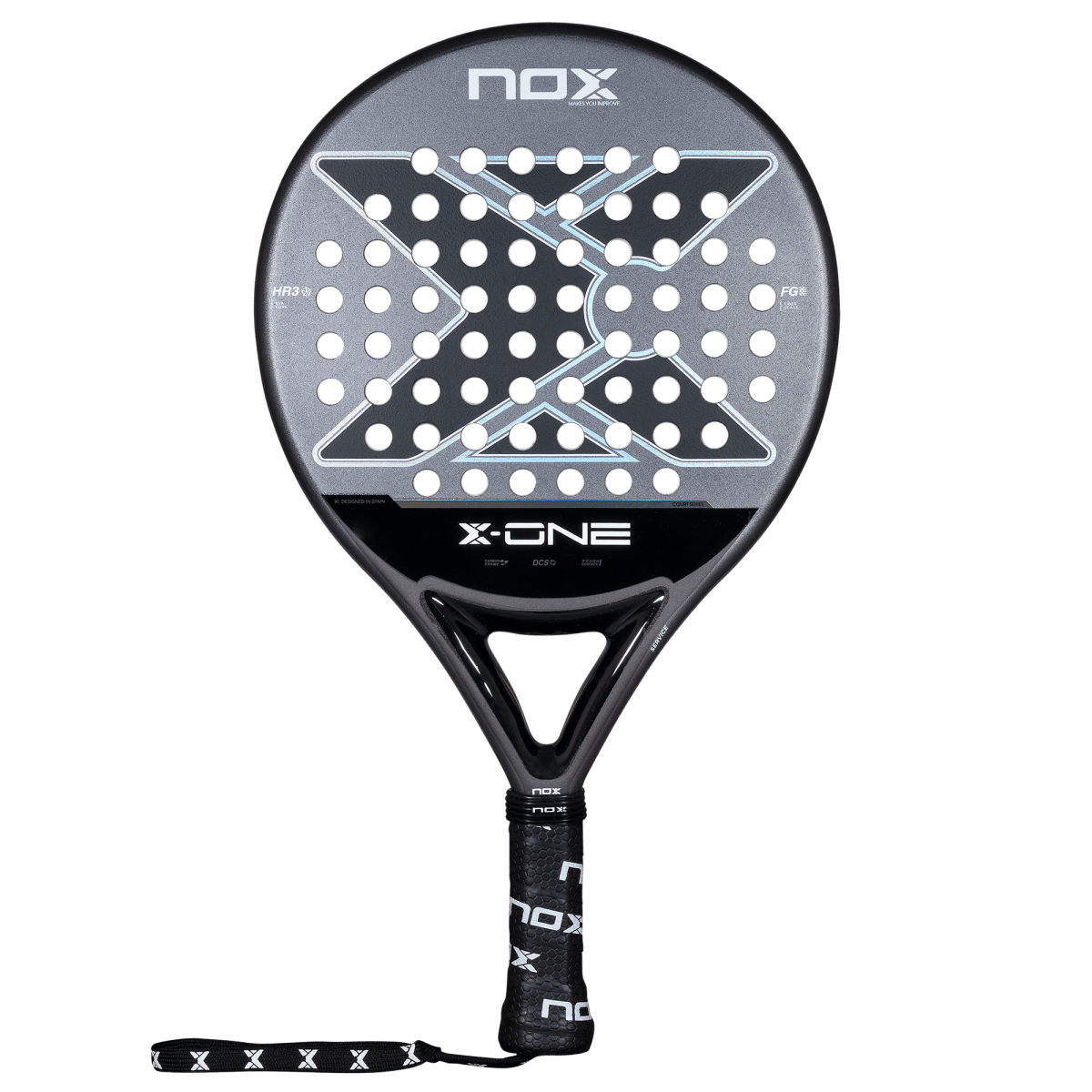
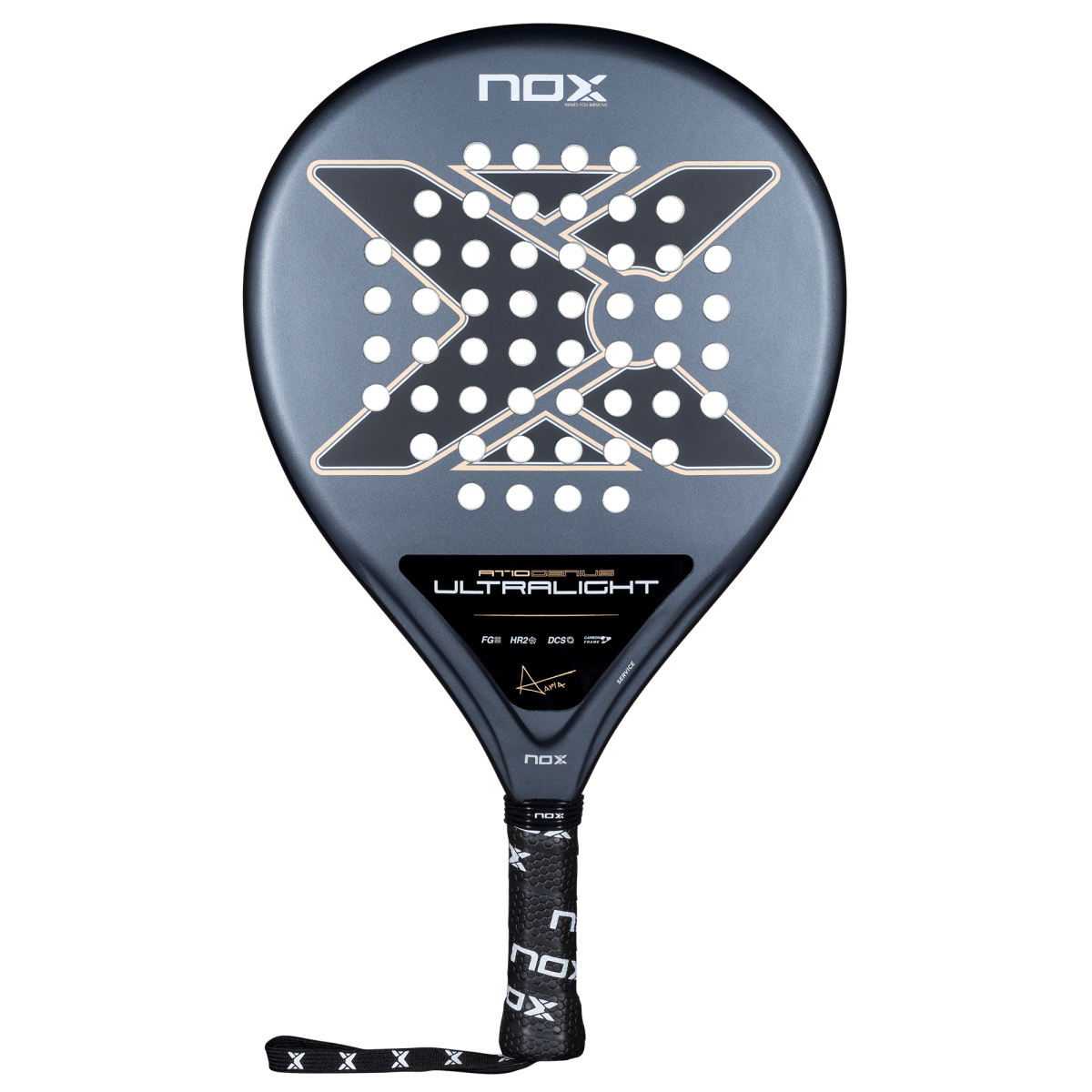
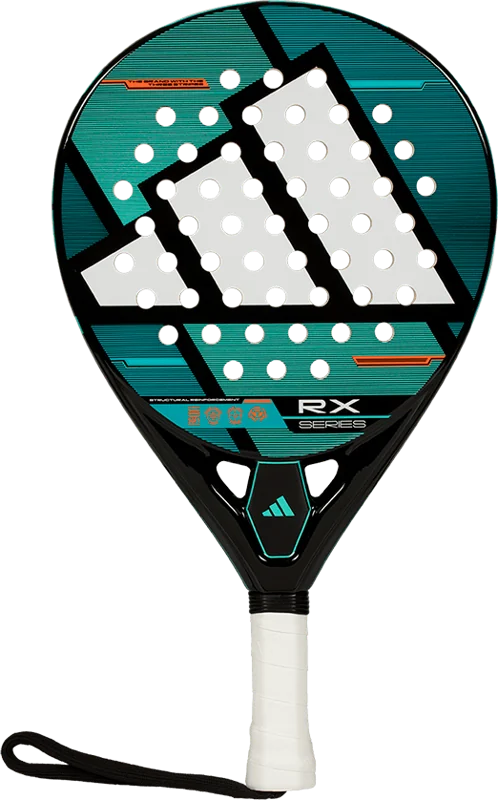
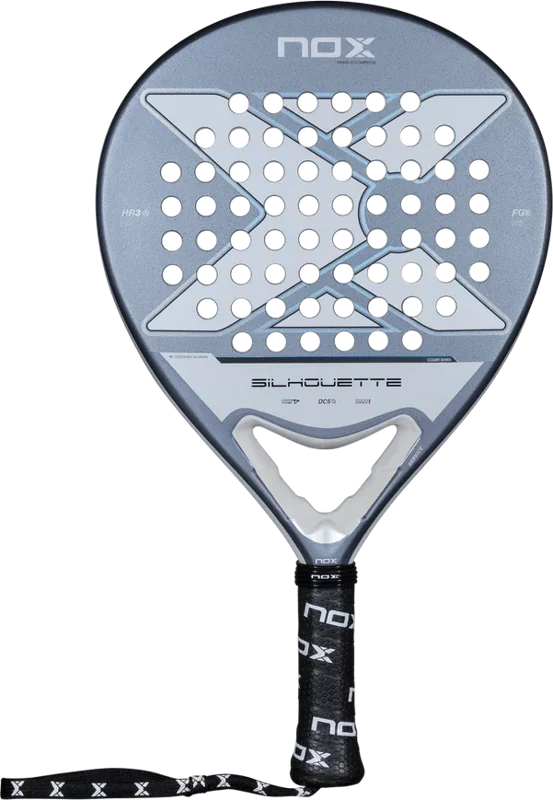
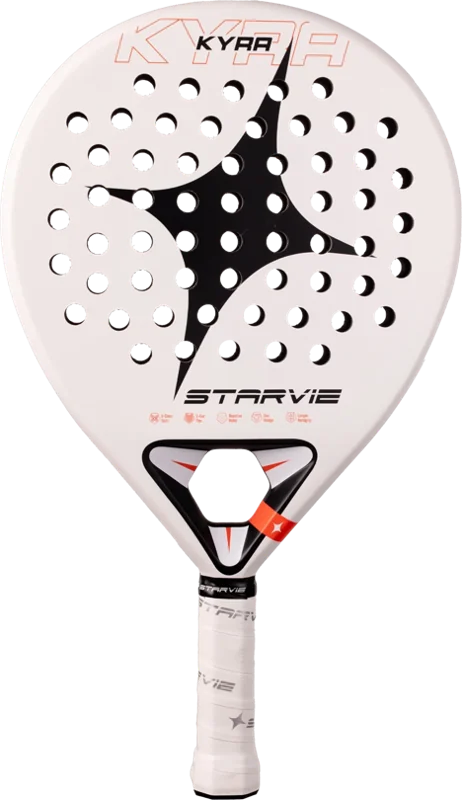
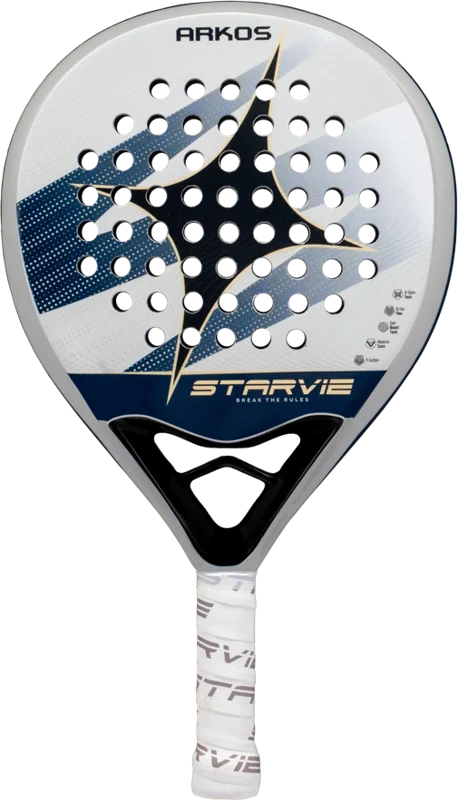
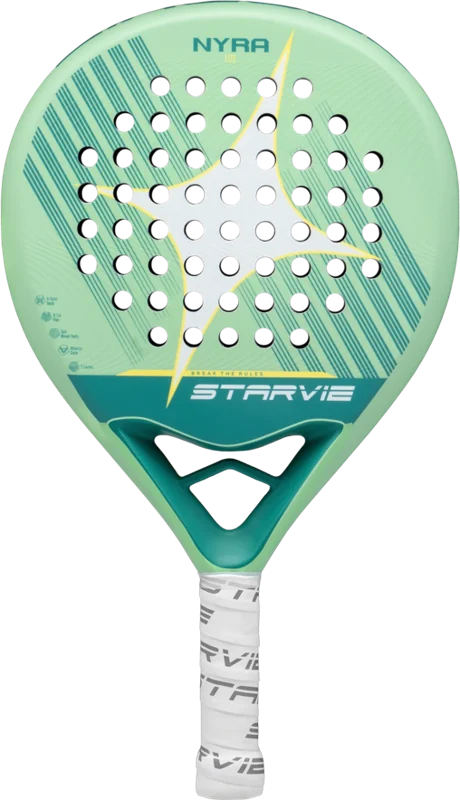
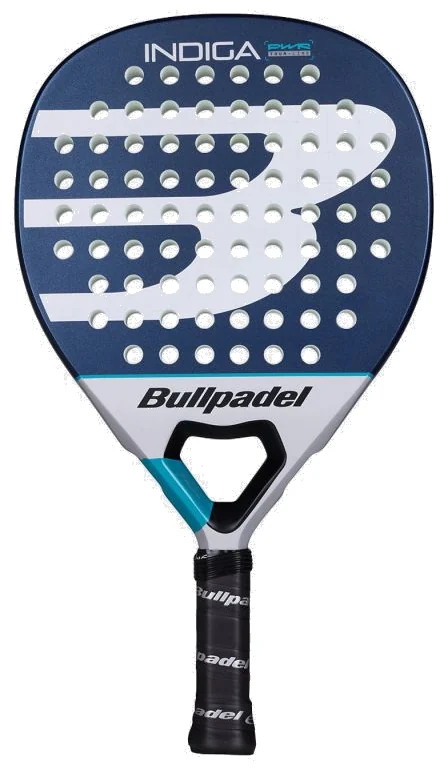
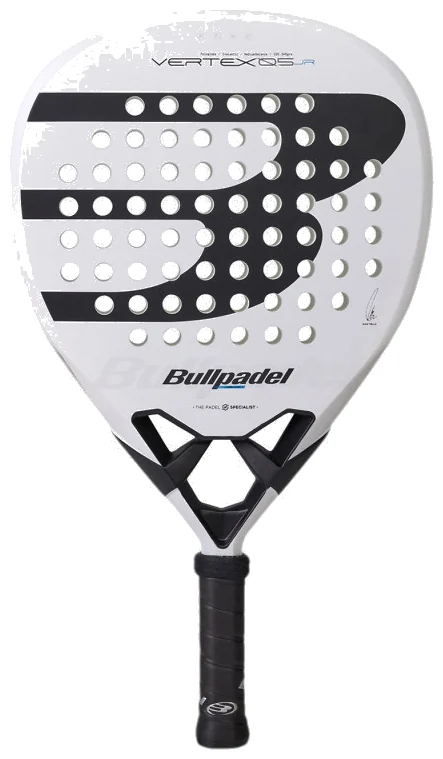
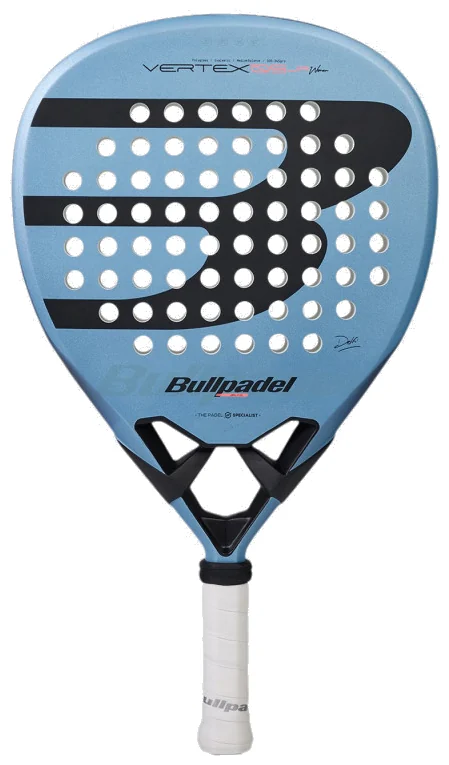
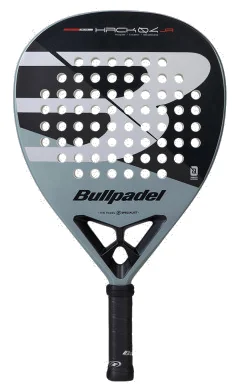
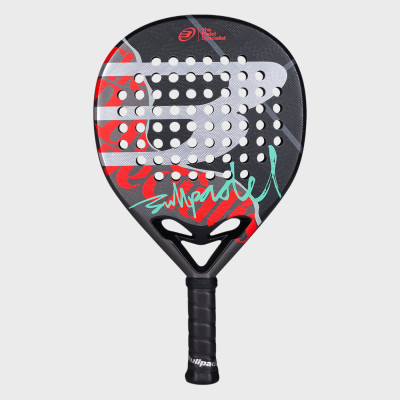
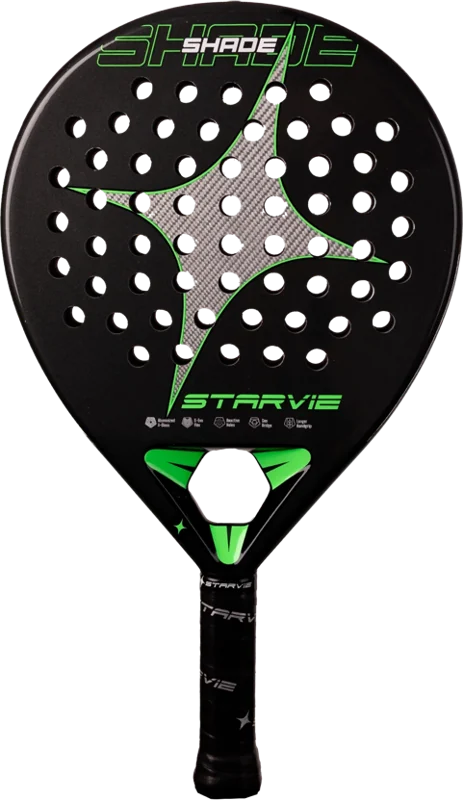
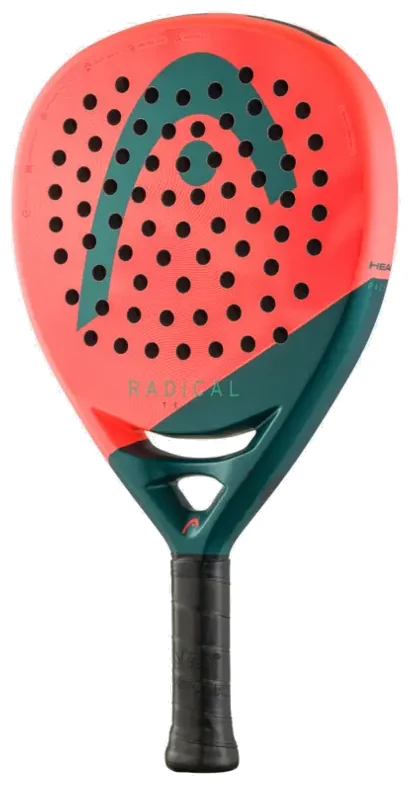
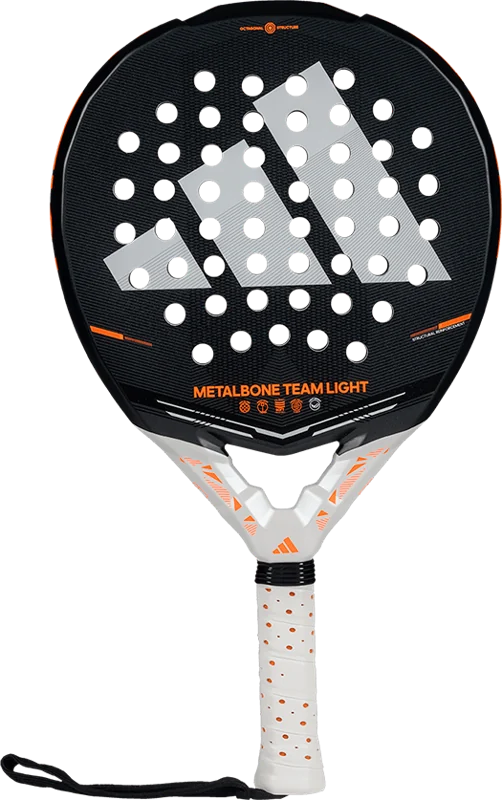
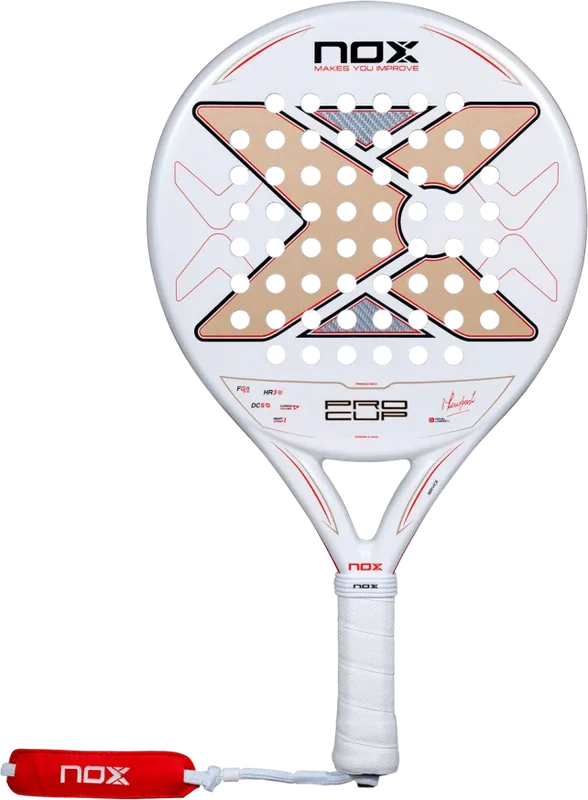
No racket in this row has a shop we link to that delivers to the country you chose. Browse all 369 rackets, each page lists every shop we know.
Most comfortable builds
See all →How this is decided, and why these rackets cost so little. Comfort is calculated from four things the maker publishes: a softer core, a more flexible face, a lower balance and a lower weight. Rackets built that way are mostly made for newer players, and those are the cheaper rackets. Rackets above €250 are usually firmer and heavier in the head, built for power: their comfort rating averages 41, against 63 for rackets under €150. If you are spending €200 or more, the highest comfort ratings are Royal Padel 36 Aniversario Light (86), Royal Padel Whip Light (84), Royal Padel 36 Aniversario Poly (73). Comfort describes feel. It is not a claim about injuries.
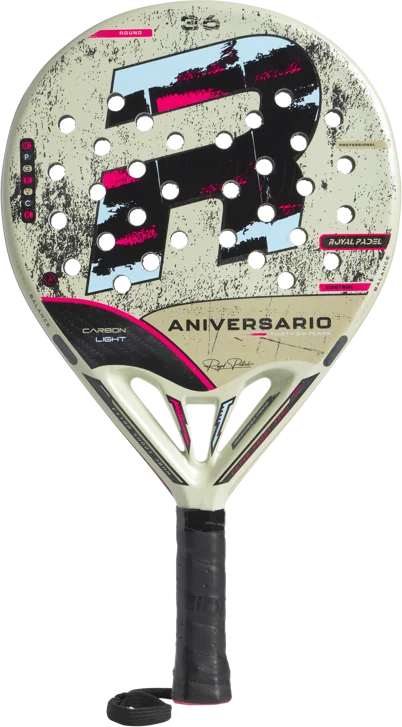
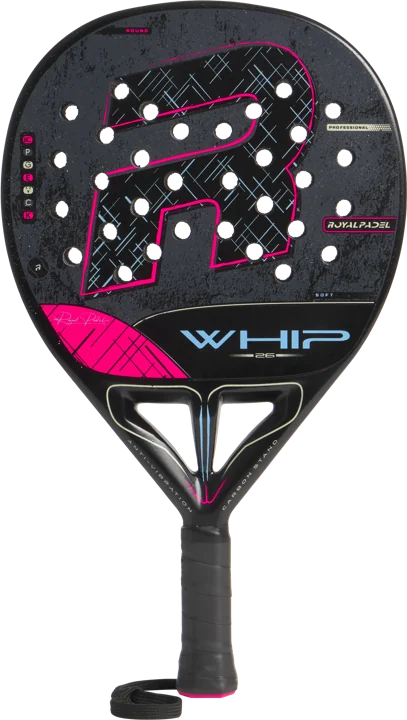
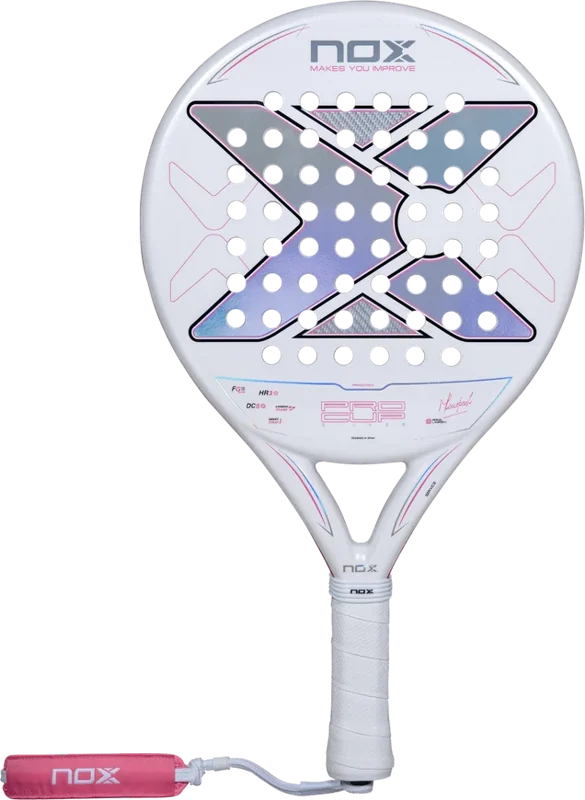
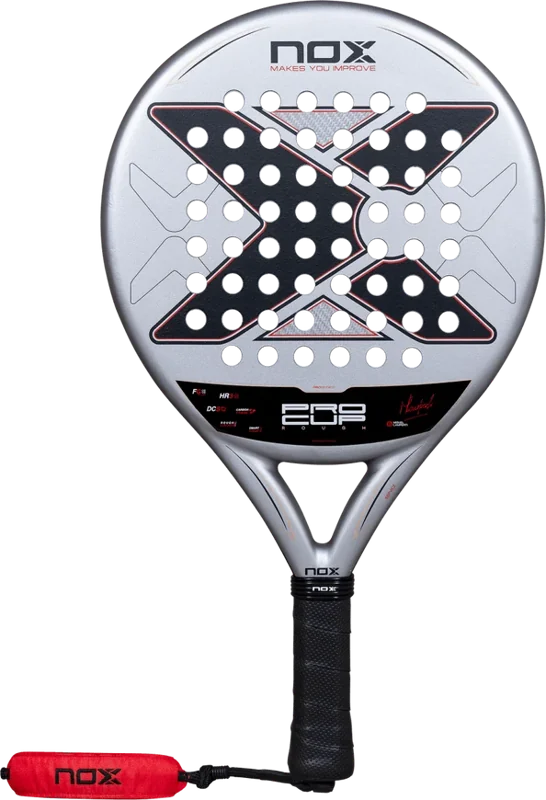
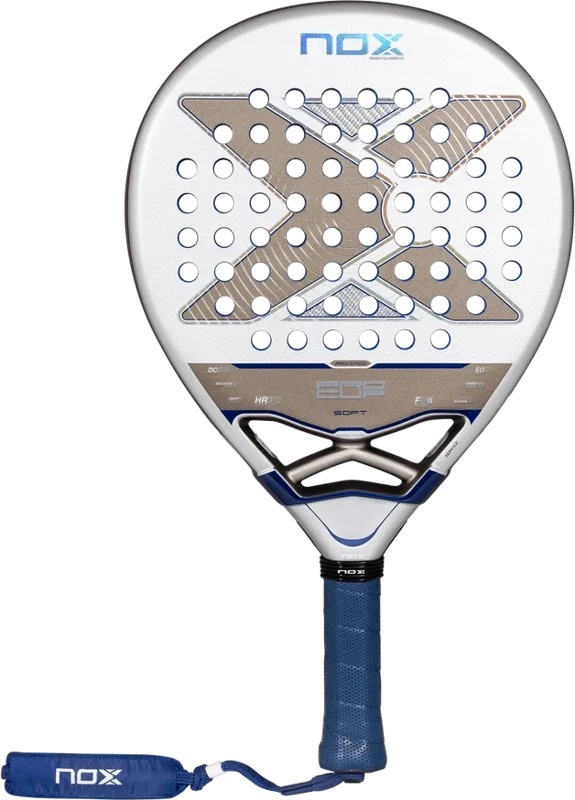
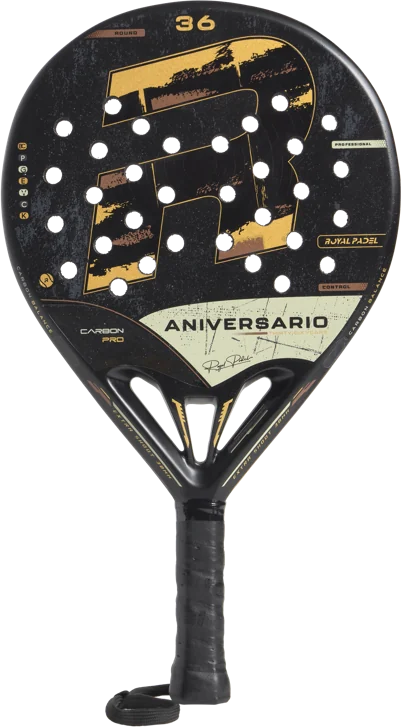
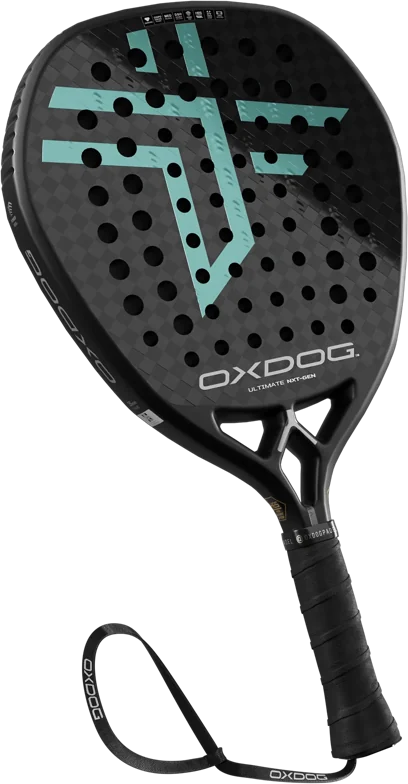
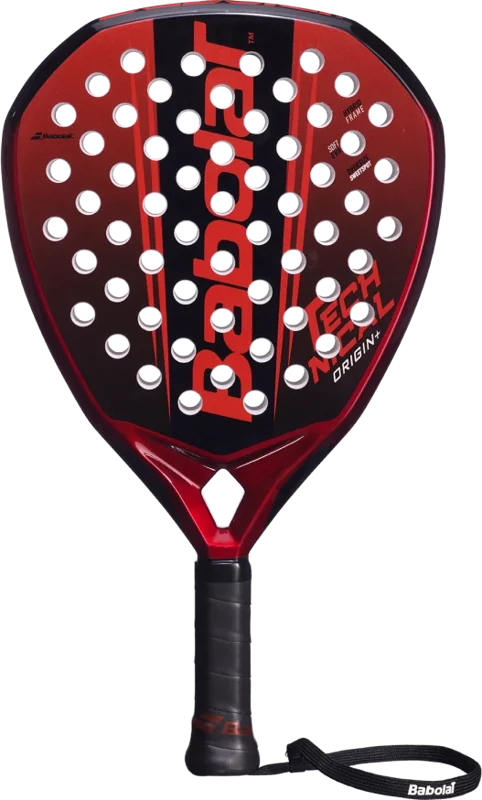
No racket in this row has a shop we link to that delivers to the country you chose. Browse all 369 rackets, each page lists every shop we know.
Black Friday 2026: daily racket price watch → · Cyber Monday →
Elbow straps and sleeves for racket players: an equipment comparison →
Most power-leaning builds
See all →How this is decided. Power is calculated from the shape, the balance and the weight: a diamond head, a high balance and more mass behind the ball. It says what the build favours on a full swing. It is not a measured ball speed, and these rackets ask more of the player.
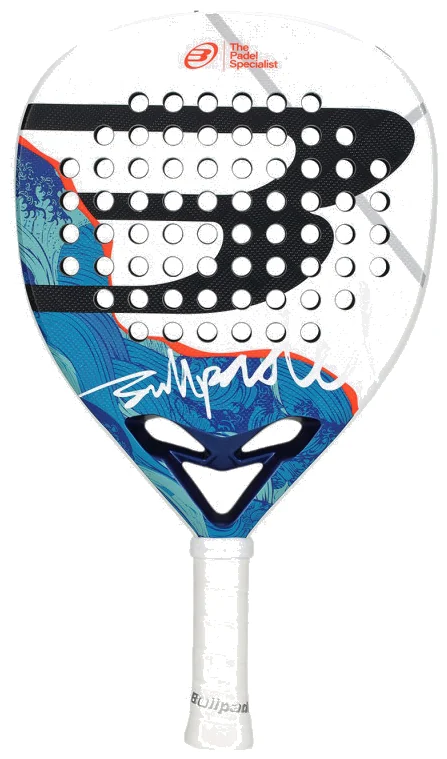
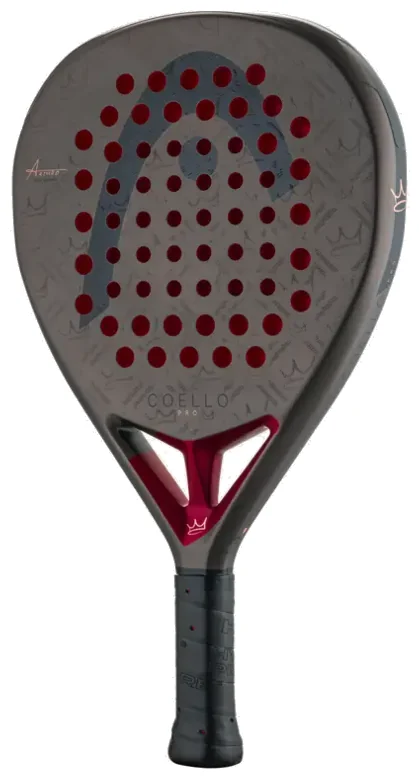
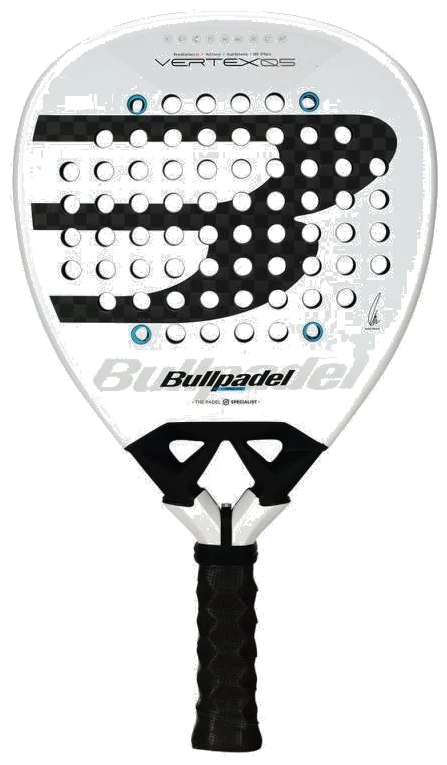
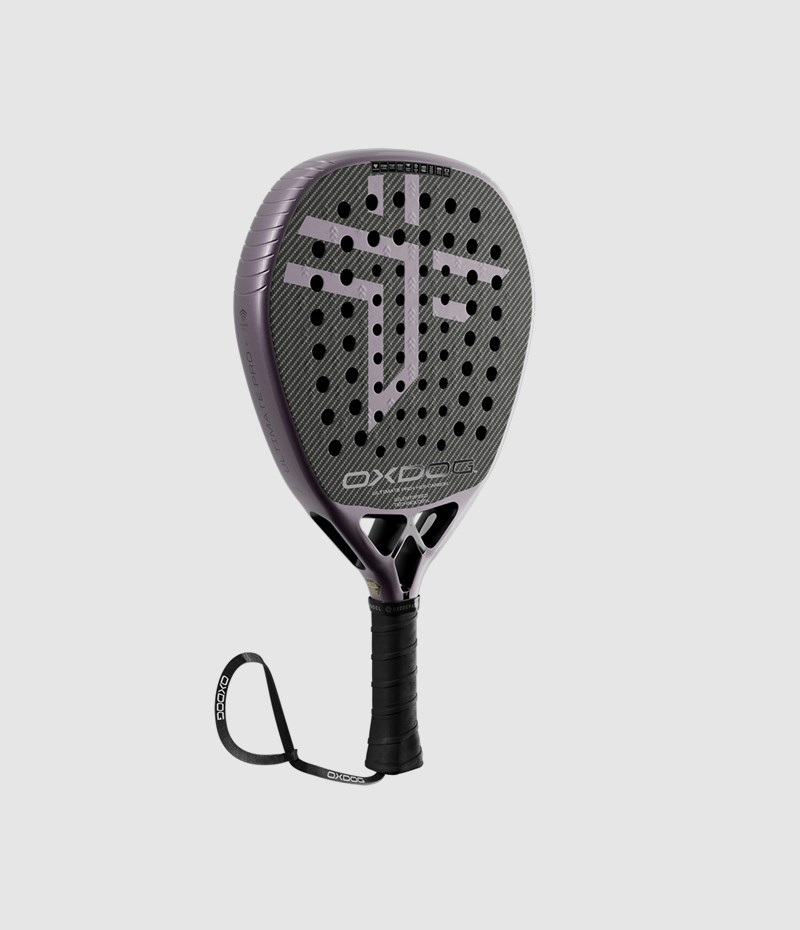
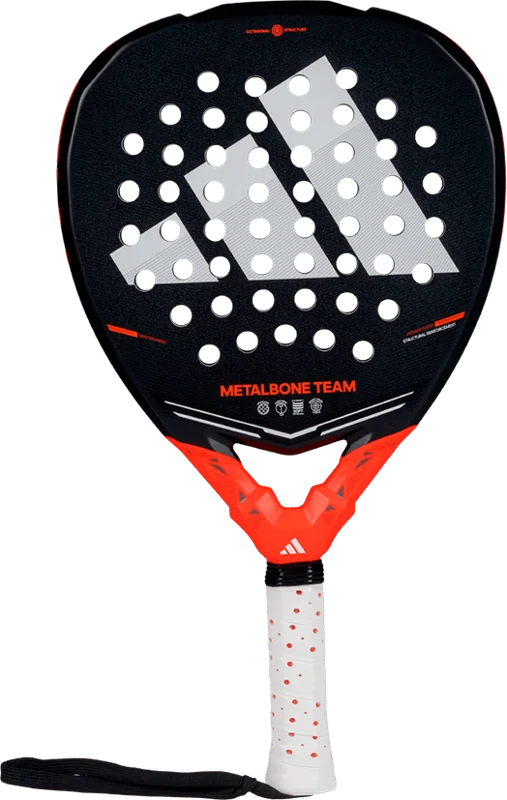
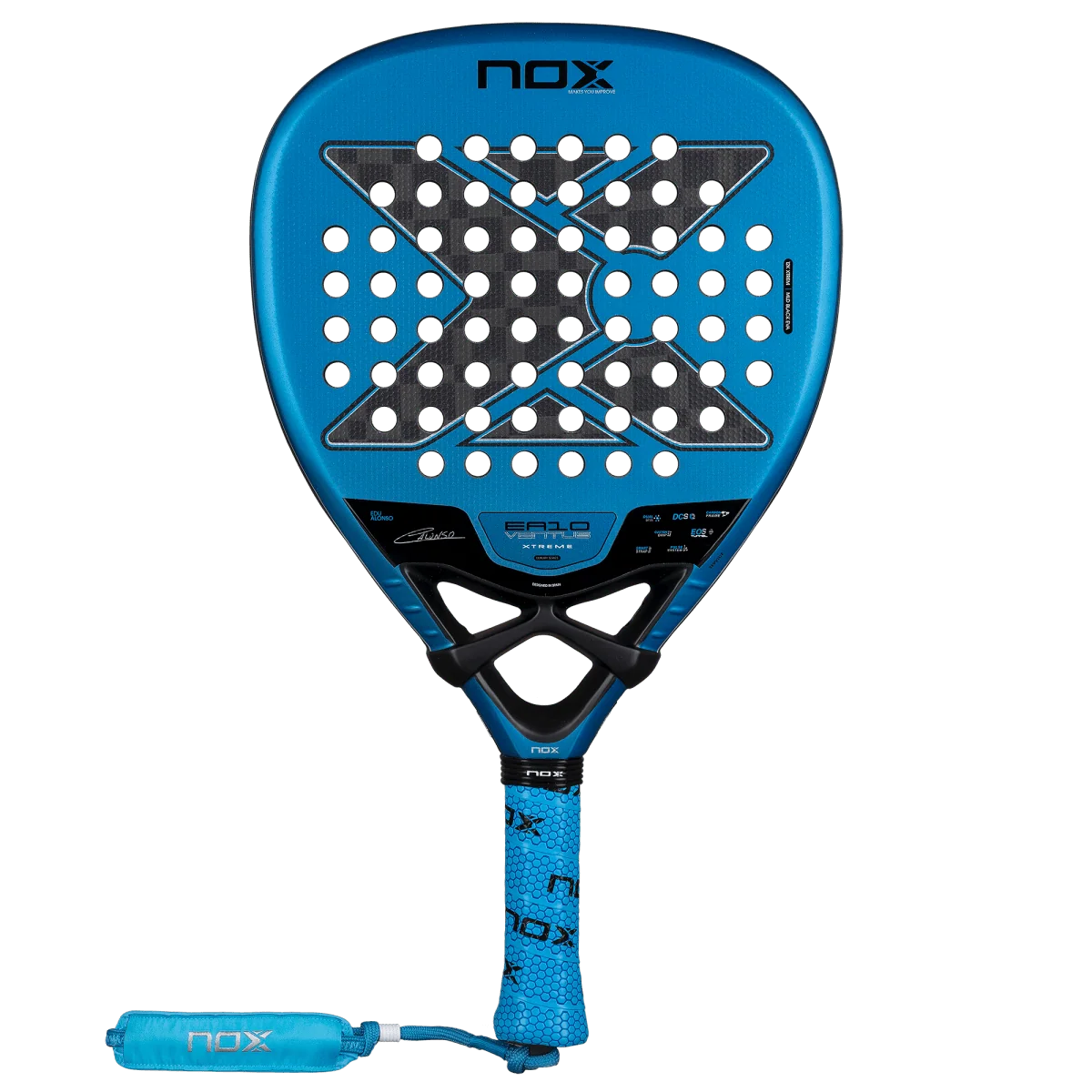
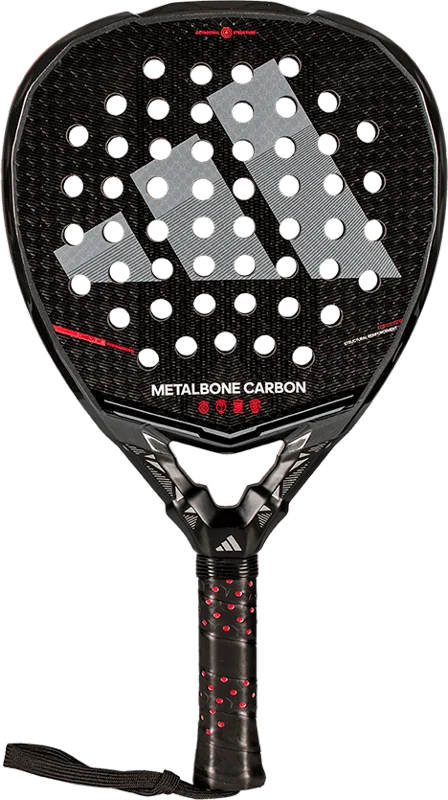
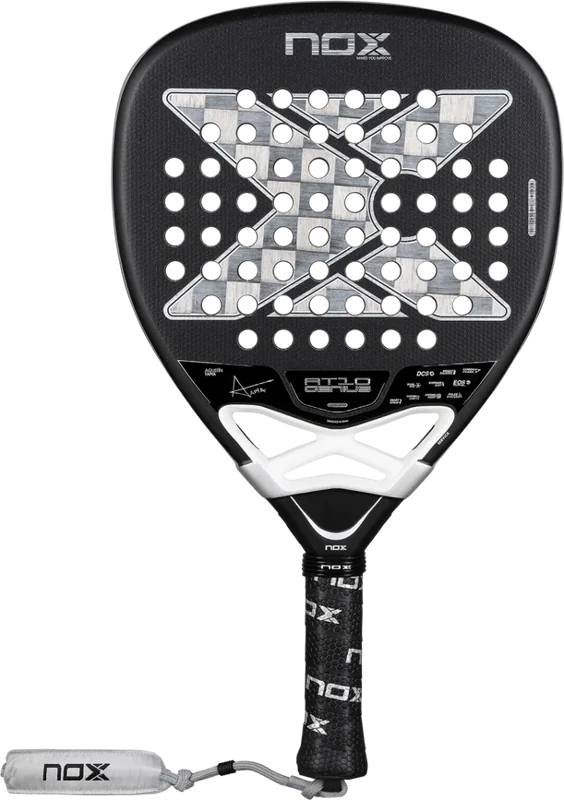
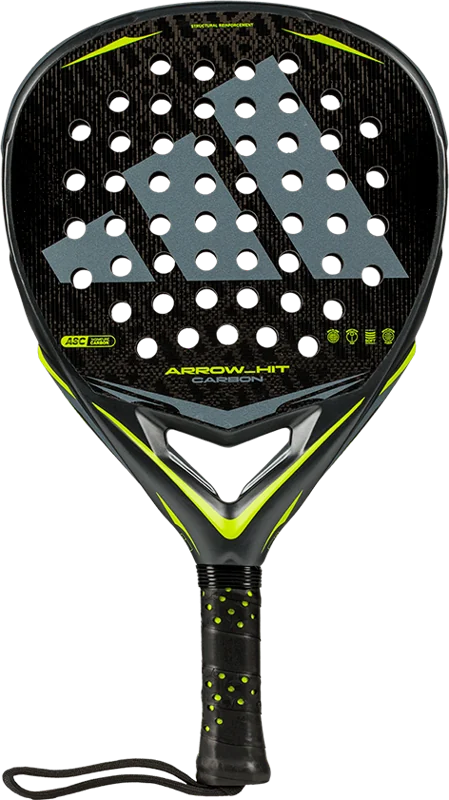
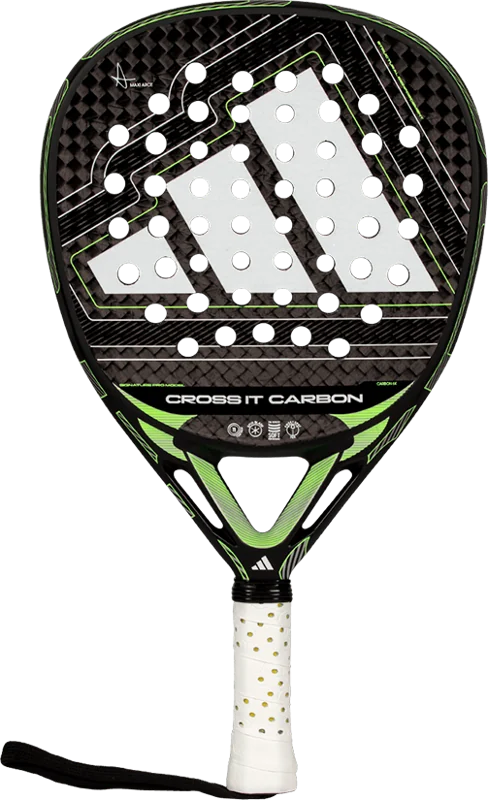
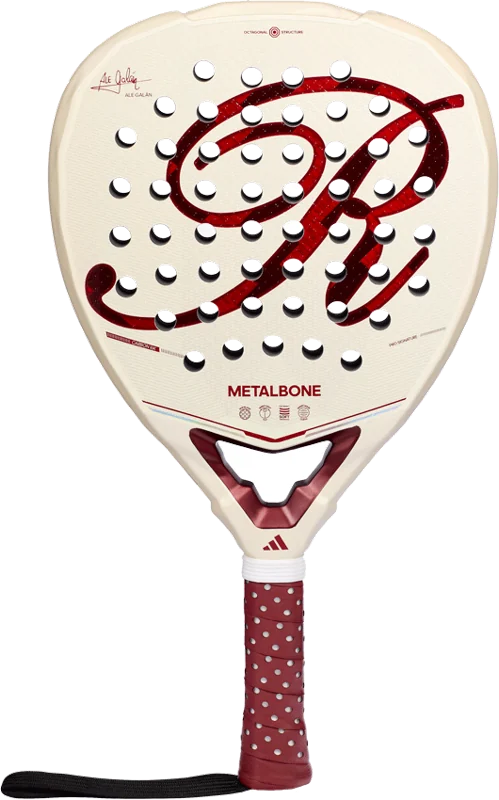
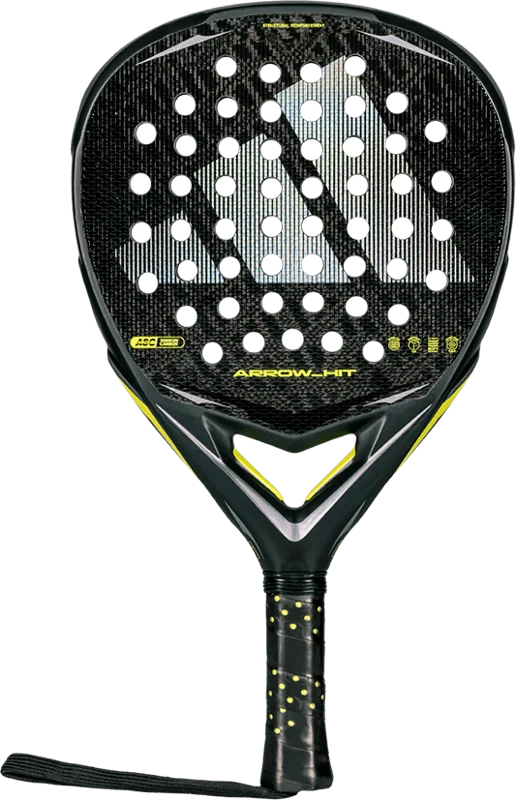
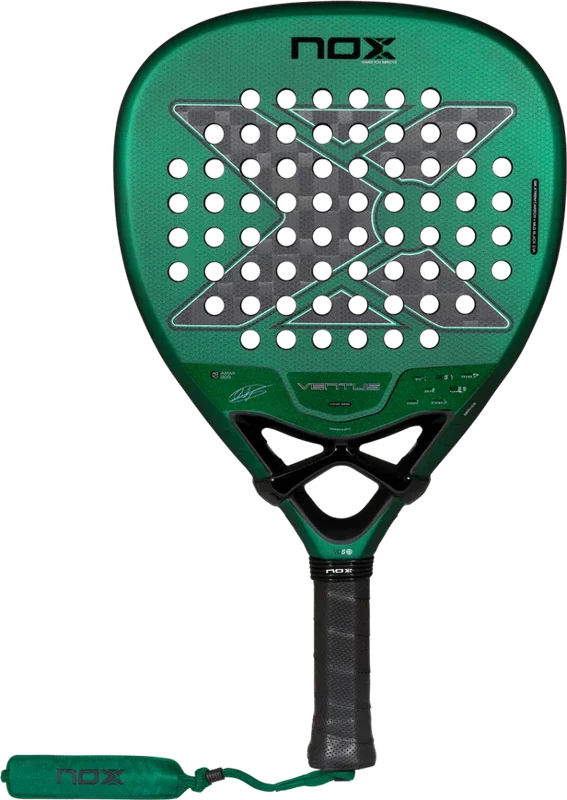
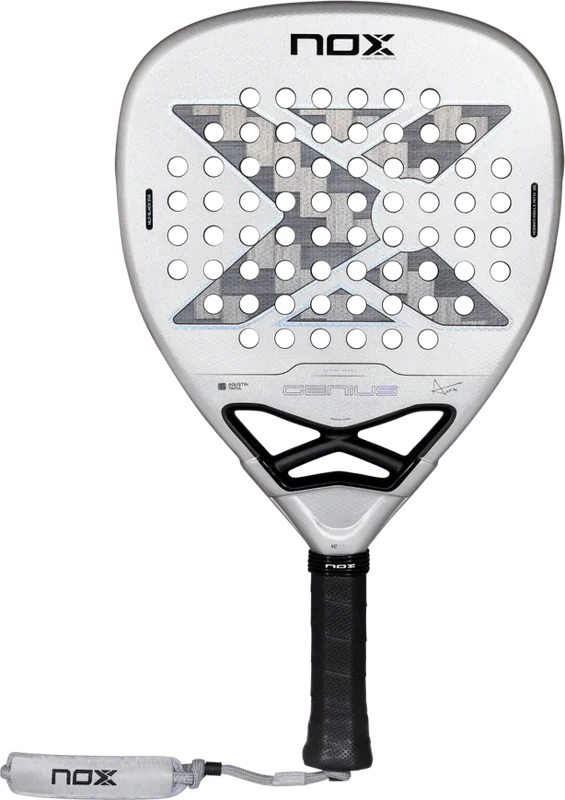
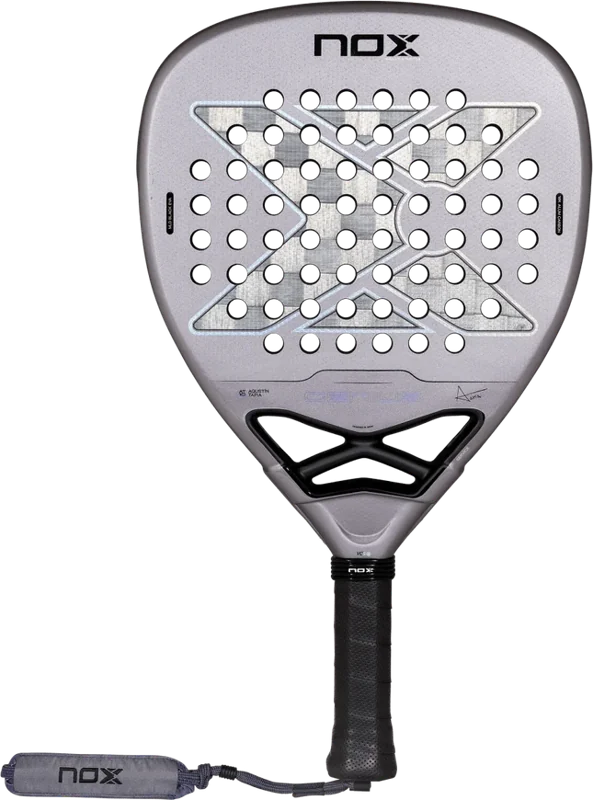
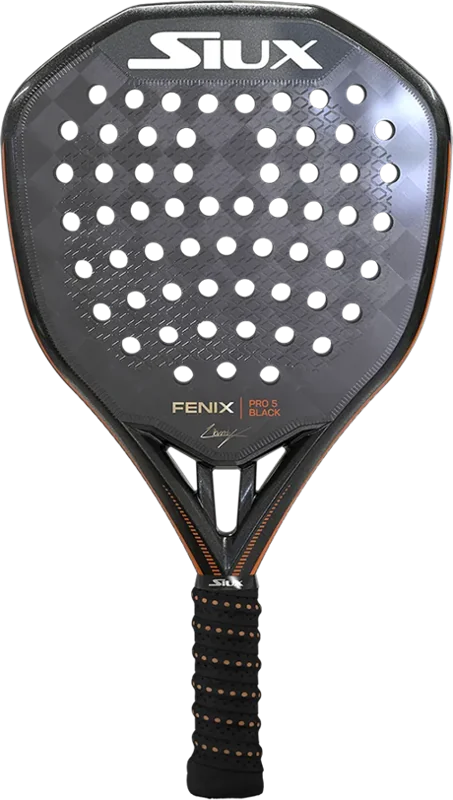
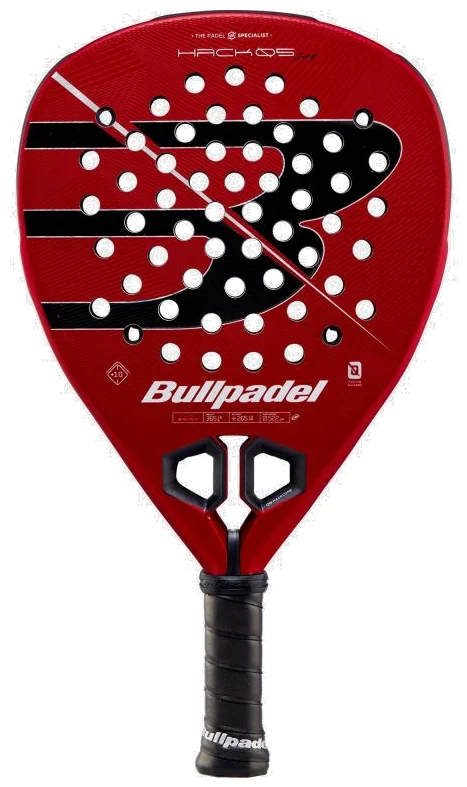
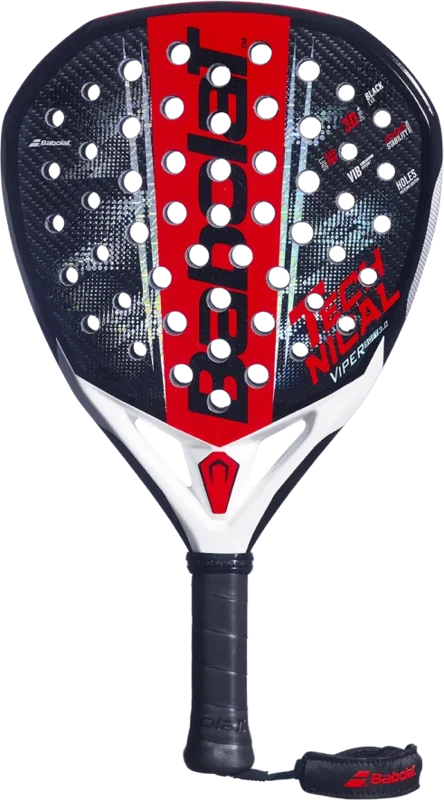
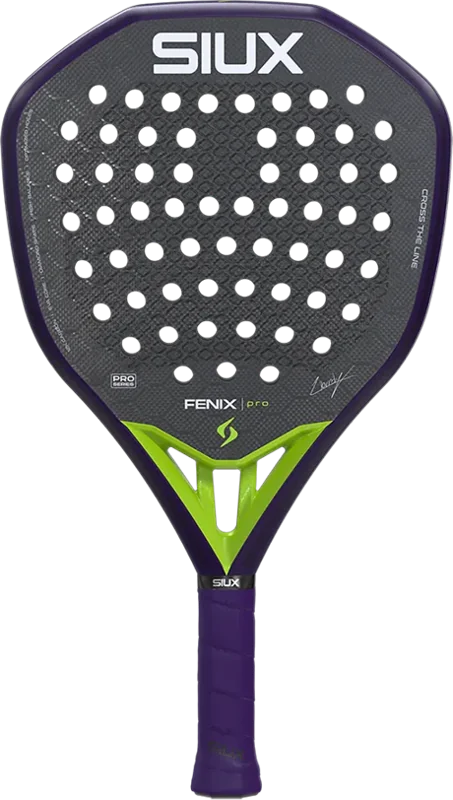
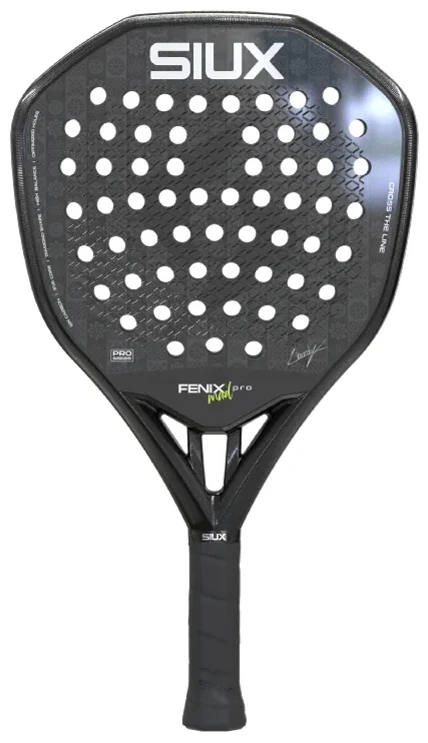
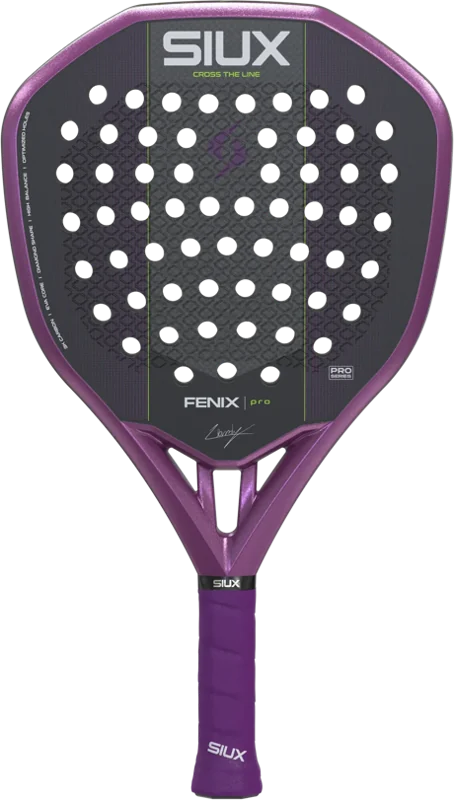
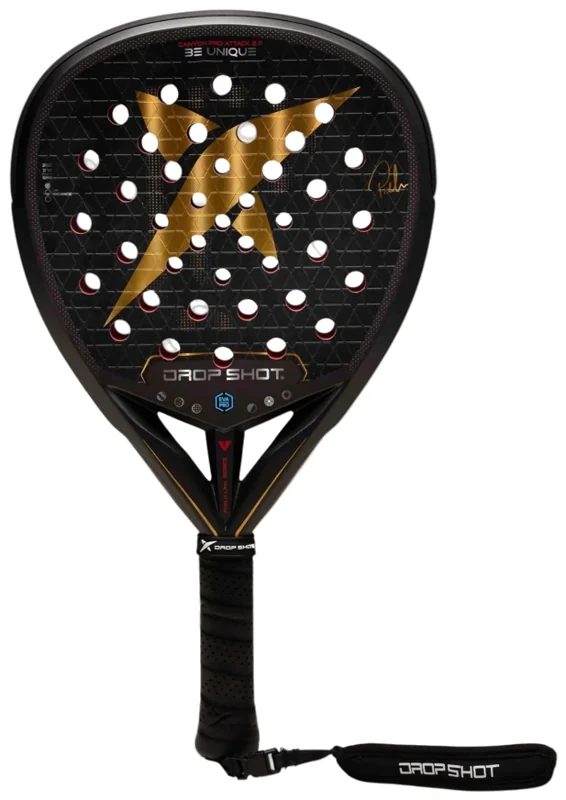
No racket in this row has a shop we link to that delivers to the country you chose. Browse all 369 rackets, each page lists every shop we know.
These rows are sorted by rating, by code. Nothing is hand-picked. Rackets with fewer than 4 of 5 inputs published are left out of these rows. They also show only rackets that a shop we link to sells; a racket whose stock we could not check today is marked on its card, and each racket page names the shop and the countries it delivers to. Rackets without a photograph and models from before 2026 are left out of the rows on this page. Every racket is in the full index.
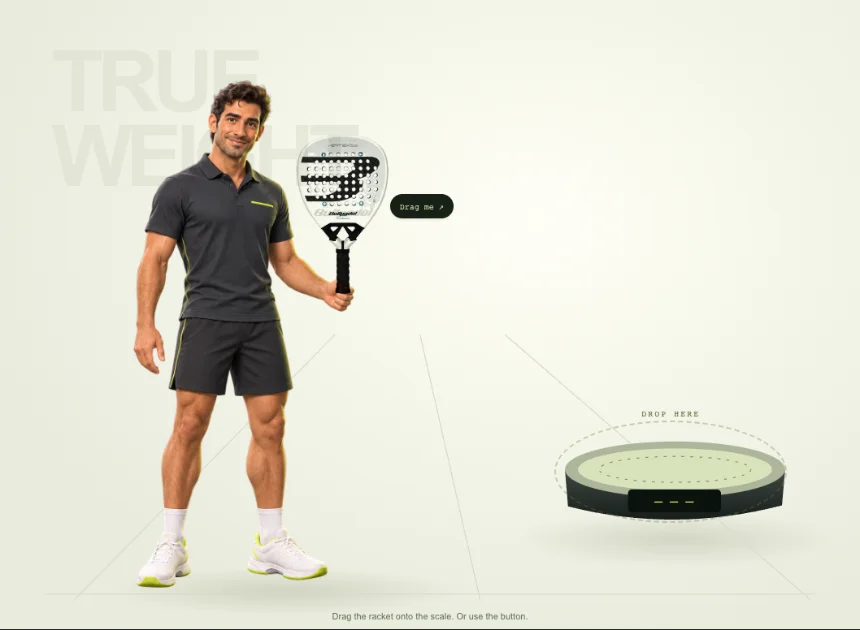
Interactive racket tool
The grams are only half the story.
Try the Racket LabWhat’s the “real” weight of each racket?
Explore the published weight and your comfort concerns.
Free to try. No sign-up. Tool in English.
Why the numbers can be checked
Every spec has a source
Each figure links to the page that published it, with the original wording. A racket that cannot show its sources is held back.
The formula is printed
Five inputs, five ratings, every weight on the methodology page. Each racket page shows its own arithmetic.
A commission never moves a rating
Ratings are computed from specs by code that has no idea which retailer pays. How the site earns.
Comparisons people ask about
Compare any two →Questions
How are the ratings calculated?
From five specifications the manufacturer publishes: shape, balance, weight, core firmness and face material. Each rating is a weighted sum of those inputs, and the full formula with every weight is on the methodology page.
Are the rackets tested on court?
No. Ratings describe what a racket's published build favours. They are a model, not a play test or a laboratory measurement, and every racket page says so.
What happens when a manufacturer does not publish a spec?
It is shown as not published and counts as the neutral midpoint in the ratings. Nothing is filled in from memory or from a similar model. A racket with too few published specs is held back and listed as held back.
Does carbon 18K play differently from 12K or 3K?
Manufacturers disagree with each other on the direction, and the one engineering source we found says the weave count has little direct effect on performance. So the weave count is shown on every racket page and scored nowhere.
How does the site make money?
From commission on some retailer links. A commission cannot change a rating, because ratings are computed from published specs by code that does not know which retailers pay. See the disclosure.