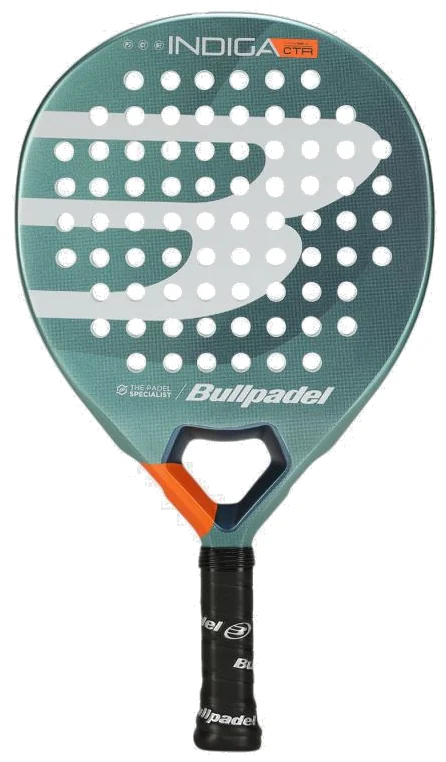
Padel racket shapes explained: round, teardrop, diamond
Round, teardrop and diamond describe the head outline, not the whole playing experience. Compare the published shapes in our index, then inspect individual models and their listed shop offers.
How to read this. The averages are our model's ratings for the rackets of each shape, and shape is itself an input of those ratings (power (45% of that rating, more raises it); control (60% of that rating, more lowers it); forgiveness (45% of that rating, more lowers it)). They show how the model reads shape, not a measurement.
Round
A round outline is one starting point for comparison. Check the specific model: shape alone does not tell you its usable hitting area or comfort. The index holds 92; most from Adidas 28, Nox 20, Siux 10.
Teardrop
A teardrop outline sits between round and diamond in appearance. Compare its weight, published balance and construction before deciding how it might suit you. The index holds 95; most from Siux 34, Nox 20, Mantis 5.
Diamond
A diamond outline does not by itself establish head weight or smash performance. Check the model’s published balance and try its handling where possible. The index holds 139; most from Bullpadel 57, Adidas 18, Head 12.
Hybrid
A maker's label for a blend of outlines. Read the exact model before assuming it plays like either. The index holds 47; most from Bullpadel 19, Vibora 9, Cork Padel 4.
Start with models you can handle comfortably and compare their published weight, balance and construction. Shape is one input to our comparison, not a guarantee that a racket suits a beginner.
How does PadelTrue use shape in its ratings?
It is one input of power (45% of that rating, more raises it), control (60% of that rating, more lowers it), forgiveness (45% of that rating, more lowers it). PadelTrue uses this specification as an input to its published rating formula. The numerical weights are modelling choices, not measured performance or a consensus ranking. See our methodology for the formula and its limitations.
Are these averages measured?
No. They are how our model reads shape, because shape is an input of those ratings. They describe the published builds in the index, not lab tests or play tests.
How this site makes money, and how it does not. PadelTrue may earn a commission when you buy through a retailer link on this site. A commission never changes a rating. Every rating comes from the manufacturer's published specification through the formula printed on the methodology page, and every specification links to where it was published. Found a wrong figure? Send the source and it gets corrected.